From Individual to Institution, from Institution to Platforms
Cybersecurity at every level is based on the same fundamental goal: protecting information, ensuring systems function correctly, and preventing access interruptions.
These three basic principles are generally explained as follows:
- Confidentiality: Only authorized persons should have access to data.
- Integrity: Data should not be altered, corrupted, or manipulated.
- Availability: Systems and data should be available when needed.
However, cybersecurity is not implemented in the same way everywhere. Protecting an individual's phone is not the same as a large company protecting its customer data. Similarly, the security needs of a cloud, fintech, social media, or crypto platform serving millions of users are much broader.
Therefore, we can consider cybersecurity at three main levels: individual level, enterprise level, and platform-based level.
Personal Cybersecurity
Personal cybersecurity protects you, your life digitally.
Here, the target is to secure personal devices including mobile phones, computers or laptops and even emails, social media accounts banking applications as well as digital wallets.
The risks that human beings may face today are relatively varied. Some of them include; fake emails, scam messages, malware and hijacking attempts to account for SIM-swap attacks online fraud.
It is also crucial to have wallet security and self-custody. As the loss or theft of private keys or recovery words directly cause losses.
Individuals are basic precautions you can take:
- Using strong and different passwords
- Using multi-factor authentication
- Keeping devices up to date
- Avoiding clicking on suspicious links
- Taking regular backups
- Checking privacy settings
- Internet Security
Here, security is on you. Technical precautions are, of course, very important, but being careful and alert for unusual circumstances is at least as critical; adopting basic cyber hygiene practices.
Enterprise Cybersecurity
Enterprise cybersecurity focuses on protecting a company's systems, employees, customer data, business processes, and intellectual property.
For an organization, a cyberattack means business disruption, loss of customer trust, financial damage, regulatory penalties, and reputational damage.
According to IBM Security, the average cost of a data breach reached $4.45 million in 2023. This clearly shows that cyber incidents are no longer just a matter for IT teams.
Organizations need to protect servers, network infrastructure, employee data, customer information, ERP and CRM systems, production systems, and operational technologies.
Attacks on organizations can be categorized as follows:
- Ransomware attacks
- Cyberattacks
- DDoS attacks
- Internal threats
- Supply chain attacks
- Business email fraud
- Data leakage attempts
In other words, simply using antivirus software or setting passwords is not enough.
Organizations are generally protected by security controls such as a Zero Trust approach, identity and access management, network segmentation, SOC, SIEM/SOAR, EDR/XDR, patch management, employee training, backup, and disaster recovery plans.
They must also comply with ISO 27001, PCI-DSS, NIS2, HIPAA, and other regulations.
Here, the IT team alone is not responsible for attacks. All employees of the company are responsible for these attacks.
Platform-Based Cybersecurity
Platform cybersecurity refers to the security of large digital platforms serving millions of users.
Examples include cloud services, social media platforms, fintech companies, and Web3 projects.
The risk is enormous. A single vulnerability can affect not just one user or company, but millions of users.
Assets that platforms must protect include global data centers, APIs, microservices, user sessions, payment systems, artificial intelligence models, and big data infrastructures.
Threats encountered include:
- Large-scale DDoS attacks
- Botnet attacks
- API abuse
- Credential stuffing attacks
- Zero-day vulnerabilities
- Open source dependency risks
- Geopolitical attacks
- Web3 security risks.
According to CrowdStrike and IBM X-Force reports, identity attacks and cloud threats are increasing daily. Because of the large scale, security cannot be controlled manually; automation is necessary. Continuous monitoring is crucial here.
Some security approaches are given below:
- Distributed WAF systems
- Anti-bot solutions
- Rate limiting
- DevSecOps processes
- SAST, DAST, and SCA testing
- Data encryption
- HSM and KMS usage
- AI/ML-based anomaly detection
- Self-healing infrastructures
- Certifications such as SOC 2, ISO 27017/18, and CSA STAR
Shared responsibility in platform security is extremely important.
Accordingly, the service provider is generally responsible for the security of the core infrastructure. However, ensuring correct settings, managing user access, and protecting data are often the customer's responsibility.
In other words, security is not solely the provider's or solely the customer's responsibility. Both parties need to properly manage their respective areas of responsibility.
What is the fundamental difference between these three levels?
At the individual level, the risk affects only one person. For example, account theft, device damage, or financial loss.
Corporate risk is much greater. An attack can halt a company's production, expose sensitive customer data, and lead to serious financial or legal consequences.
At the platform level, the impact is far broader. It affects hundreds of thousands or even millions of users; these users may be located in several countries (even just one region can cause massive disruption across different digital ecosystems with varying regulations). The defense approach varies accordingly.
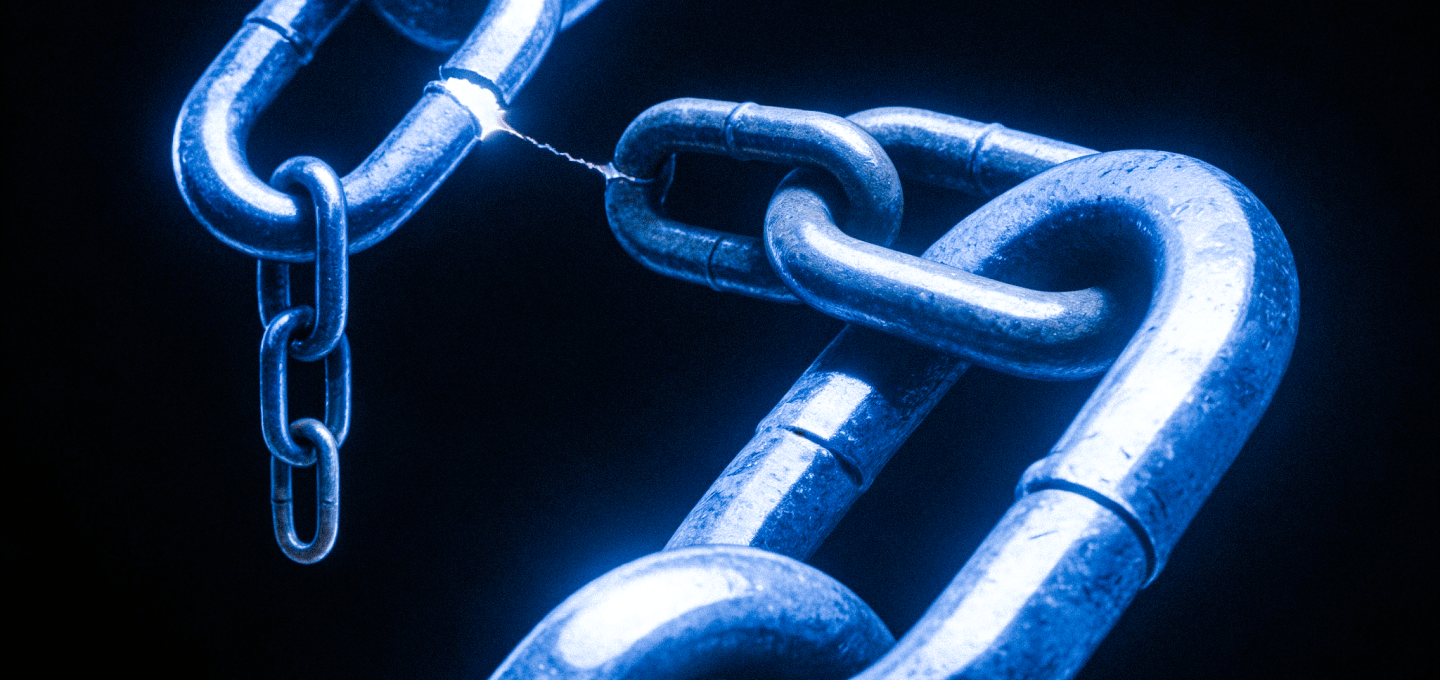
Every Level is Part of the Same Chain
Cybersecurity is not a single level.
It is important for an individual to use strong passwords. It is important for an organization to train its employees. It is also important for a platform to establish scalable security systems to protect millions of users.
Because in the digital world, everyone is part of the same security chain.
If individuals, organizations, and platforms fail to fulfill their responsibilities within this chain, the entire ecosystem becomes more vulnerable.
Therefore, cybersecurity should be viewed not just as a technical issue, but as a fundamental part of digital trust.
Disclaimer
This content is for informational purposes only and does not constitute legal, technical, financial, or cybersecurity advice. Cybersecurity risks and requirements may vary depending on the organization, industry, jurisdiction, and technology infrastructure. Individuals and organizations should assess their own risk profile and consult qualified cybersecurity or legal professionals when necessary.



%201.svg)